Can a heat pump keep up with a Michigan winter?
Heat pumps have changed a lot. Here is what actually determines whether one makes sense in a Southeast Michigan home, and what questions to ask.
By JBrown Mechanical
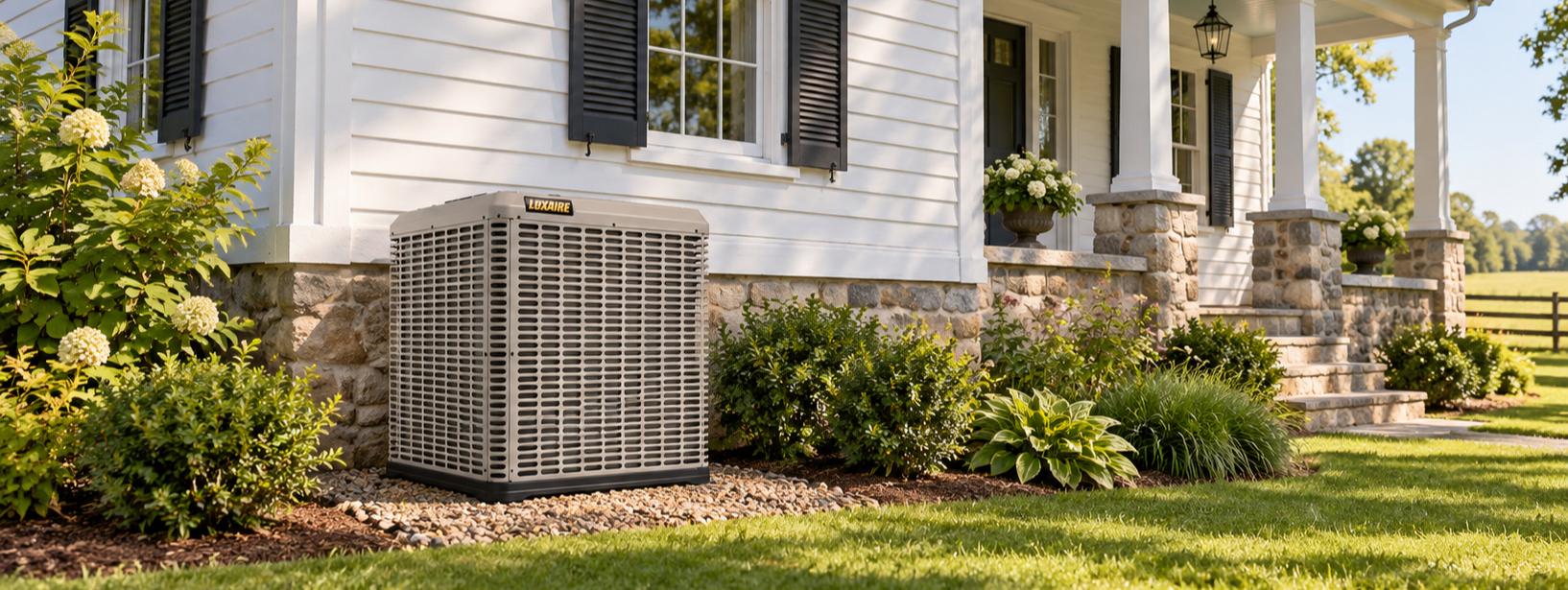
For a long time, the common advice in Michigan was simple: heat pumps are fine somewhere warmer, but not here. That advice has aged. Equipment designed for cold climates has improved, and many homeowners now ask whether a heat pump could replace or work alongside their furnace. The honest answer is that it depends on the house, the equipment, and how the system is set up.
How a heat pump heats
A heat pump does not create heat by burning fuel. It moves heat from one place to another. In summer it pulls heat out of the house, much like an air conditioner. In winter it reverses and gathers heat from the outdoor air, even cold air, and brings it inside.
As the outdoor temperature drops, there is less heat to collect and the equipment has to work harder. How well a given heat pump handles that depends heavily on its design. Equipment built for cold climates is engineered to keep delivering useful heat at lower temperatures than older or standard models.
The questions that matter
Rather than asking "do heat pumps work in Michigan," it is more useful to ask questions about your specific situation:
- How much heat does the house actually need on the coldest days? That depends on size, insulation, windows, and air leakage.
- Is the selected equipment rated to deliver that heat at low outdoor temperatures?
- What backup or supplemental heat will cover the coldest stretches?
- Is the existing ductwork in good enough shape to move the air a heat pump needs?
- How will the controls decide when to use the heat pump and when to use backup heat?
None of these can be answered from the label on the old equipment. They come from looking at the home.
Pairing with a furnace
Many homes do not have to choose one or the other. A heat pump can be paired with a gas furnace so that the heat pump handles milder weather and the furnace takes over when it gets very cold. This arrangement is often called dual fuel. Whether it suits your home depends on the existing furnace, the ductwork, and how the controls are configured.
Other homes use electric backup heat inside the air handler instead. Each approach has trade-offs in comfort and operation that are worth talking through.
Sizing and installation still decide the outcome
A heat pump that is sized by guesswork is unlikely to live up to expectations. Equipment that is too large for cooling can short-cycle in summer and leave humidity behind; equipment chosen without considering winter needs may lean on backup heat more than expected. Careful load calculation, correct refrigerant charge, proper airflow, and sensible thermostat setup all shape how the system feels day to day.
What heat feels like
People switching from a furnace sometimes notice that a heat pump delivers air that feels less hot at the register, even though the house stays at the set temperature. It tends to run longer, steadier cycles rather than short blasts. That is normal operation, but it is worth knowing in advance so it does not seem like a problem.
What you can do now
If you are curious about a heat pump, collect a few observations before a conversation: which rooms are hardest to keep comfortable, how old the current furnace and air conditioner are, and whether you are planning other changes such as insulation or an addition. Avoid opening equipment or handling refrigerant connections; that work belongs to trained technicians.
Getting a real answer
A heat pump can be an excellent fit for some Michigan homes and a poor fit for others. An assessment that looks at the house, the ductwork, and the existing heating gives you a recommendation based on your home rather than a general rule. If you would like to talk it through, we are glad to help.