Living with steam heat: what owners of older homes should know
Steam systems can heat a home comfortably for a very long time. Knowing how they work makes it easier to notice when something has changed.
By JBrown Mechanical
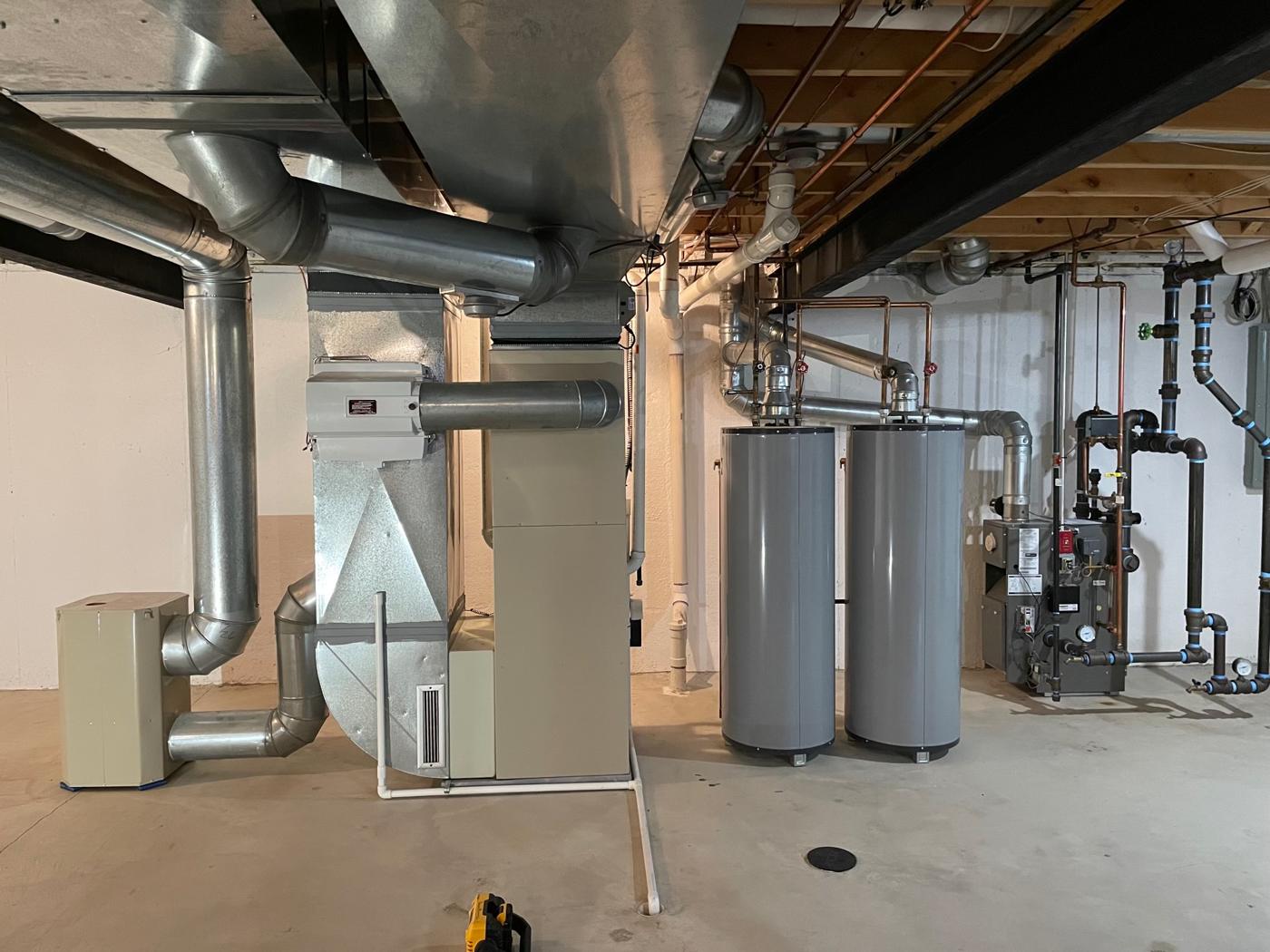
Steam heat is found in many older Michigan homes. Radiators that hiss and tick, a boiler in the basement that has been there for decades, and a particular kind of comfort that is hard to describe until you have lived with it. Steam systems can serve a home well for a long time, but they work differently from both forced air and hot-water heat, and they benefit from people who understand them.
How a steam system works
A steam boiler heats water until it turns to steam. The steam rises through the piping to the radiators, where it gives up its heat and condenses back into water. That water then returns to the boiler, and the cycle repeats.
Because the system depends on steam moving freely up and condensed water flowing freely back, the slope of the piping, the venting of air from radiators and mains, and the water level in the boiler all matter. Small changes to any of them can affect how evenly the house heats.
Sounds that are normal and sounds worth noting
Some sound is part of living with steam. A soft hiss as air escapes from radiator vents and gentle ticking as metal expands are typical. Other sounds are worth paying attention to:
- Loud banging or hammering in pipes, especially if it is new or getting worse
- Vents that spit water or whistle loudly
- Gurgling at the boiler that was not there before
Banging often points to water collecting where it should not, which can relate to pipe pitch, radiator position, or boiler operation. It is a reason to have the system looked at, not something to live with.
Uneven heat
When some radiators heat quickly while others stay cool, the cause may be venting, piping, or how the system is balanced. In steam systems, radiators farther from the boiler can lag if air is not being released evenly. Diagnosing this takes an understanding of the whole system rather than a single radiator.
What homeowners can observe
There is a lot you can usefully notice without touching controls:
- Which radiators heat first and which lag or stay cool
- Any new or louder sounds, and when they happen in the cycle
- Visible water around the boiler, piping, or radiator valves
- Whether radiator vents seem to be hissing constantly or not at all
Write these down with the date and outdoor conditions if you can. That kind of record is genuinely helpful.
What to leave alone
Steam boilers have safety controls, including devices that protect the boiler if the water level gets too low. Adjusting pressure settings, controls, water feed, or valves without training can create unsafe conditions. Leave those to a professional. If you ever smell gas, or a carbon monoxide alarm sounds, leave the house and follow your gas utility's safety guidance.
Maintenance matters more with steam
Steam systems reward regular attention. A seasonal check can look at the boiler's operation, safety controls, venting, and the condition of the water in the system. Over time, sediment and changes in the water can affect performance, and catching that early helps.
Changing or replacing a steam boiler
If a boiler needs replacing, the new one should be chosen and installed with the existing piping in mind. Steam boilers are sized based on the radiation they serve, not simply the size of the house, and the near-boiler piping has a large effect on how well the system runs. This is careful work.
Keeping a good system going
A steam system that is understood and maintained can stay comfortable for many years. If yours has started making new sounds or heating unevenly, tell us what you are noticing and we can talk through next steps.