Preparing your furnace for Michigan heating season
A practical, safe checklist for the weeks before the first cold snap, plus the work that belongs with a professional.
By JBrown Mechanical
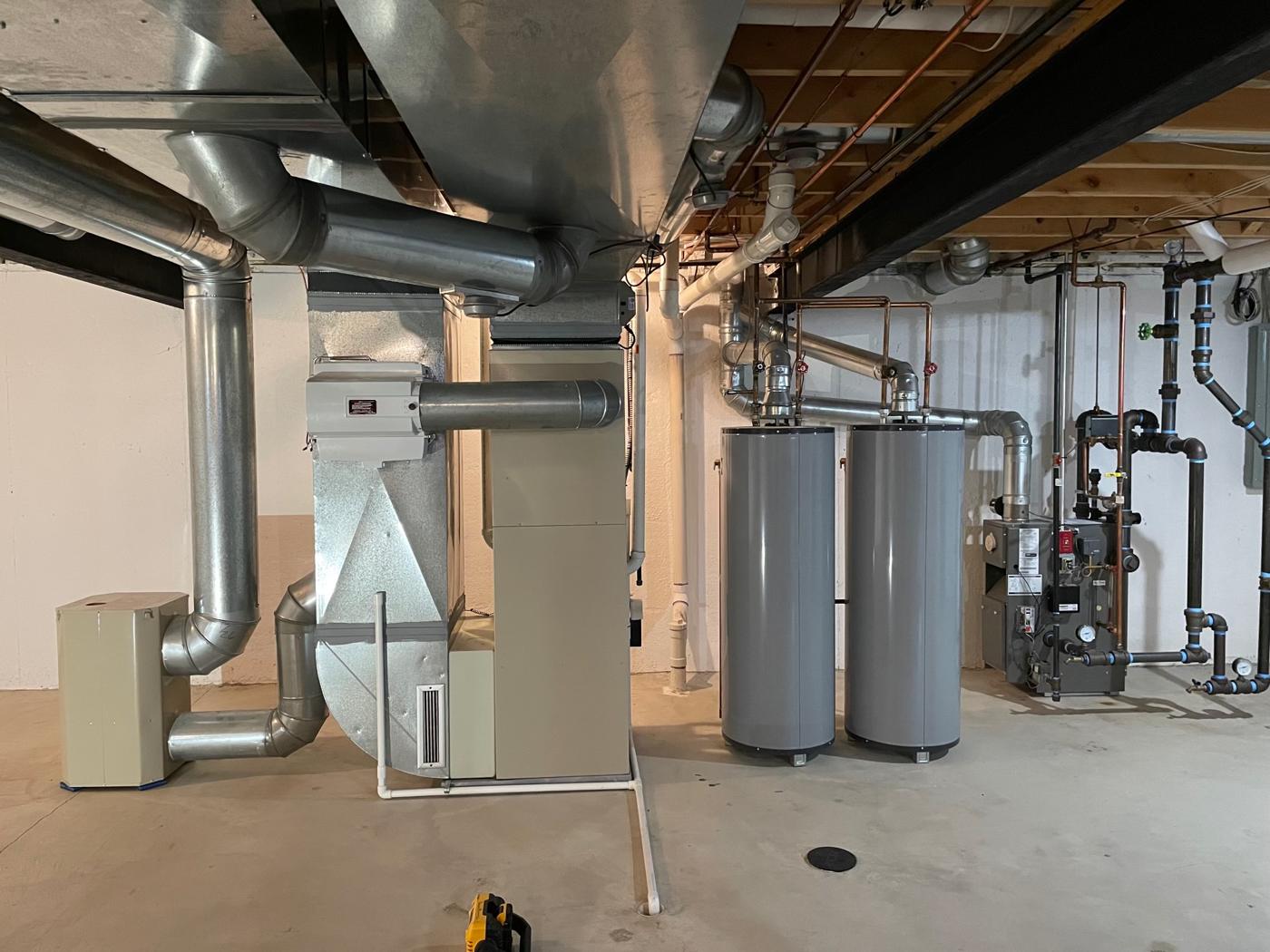
In Michigan, the first truly cold night tends to arrive with little warning. One week the windows are open; the next, everyone is reaching for the thermostat at once. A little preparation before that moment can make the switch to heating smoother and help you spot problems while there is still time to deal with them calmly.
Why preparation matters
A furnace sits idle for months through summer. Dust settles, filters get forgotten, and anything that was marginal last spring is still there in the fall. Starting the season with a quick, safe review, and arranging professional maintenance where it makes sense, means fewer surprises during the stretch when you depend on heat most.
A safe homeowner checklist
These steps are within reach for most homeowners and do not involve opening the furnace or working on gas or electrical parts:
- Check the filter. If it looks grey or clogged, replace it with the size printed on the existing filter's frame. Note the date so you remember next time.
- Clear the area around the furnace. Storage boxes, laundry, paint cans, and other items should be kept well away from the equipment.
- Walk the house and open vents. Make sure supply registers and return grilles are not blocked by furniture, rugs, or curtains.
- Test the thermostat. Replace batteries if it uses them, switch it to heat, and raise the setting a few degrees to confirm the system responds.
- Check smoke and carbon monoxide alarms. Test them and replace batteries as the manufacturer recommends. A working CO alarm is especially important in a home with fuel-burning equipment.
- Look, don't touch. Glance around the furnace and venting for anything obviously disconnected, damaged, or wet, and make a note to mention it.
What to notice on the first cold days
The first few heating cycles of the season are a good time to pay attention. A faint dusty smell for a short time when the furnace first runs can be common as accumulated dust burns off. Other changes are worth reporting:
- A smell that persists, or any smell of gas
- New or louder noises: banging, squealing, rattling
- The furnace starting and stopping frequently
- Air from the vents that feels cool or only slightly warm
- Rooms that are much colder than the rest of the house
If you ever smell gas, leave the home and follow your gas utility's emergency instructions. Do not try to locate the source yourself.
Where DIY should stop
It can be tempting to remove panels, reset components, or try to clean parts inside the furnace. Modern furnaces combine gas valves, ignition systems, electrical controls, and combustion venting, and they are designed to be serviced by trained technicians. Repeatedly resetting a furnace that keeps shutting off can hide a real problem. Stick to the checklist above and leave the rest to a professional.
What professional maintenance is for
Routine maintenance gives a technician the chance to look at how the system is actually operating: how it starts, how it burns, how air moves through it, and whether any parts show wear. It also builds a record of the equipment's condition over time, which is valuable when you eventually face a repair-or-replace decision.
Quality installation guidance from the Department of Energy also points out that airflow and duct condition affect performance, so if certain rooms have been a problem, mention that during a maintenance visit rather than treating it as a separate issue.
Plan ahead where you can
Early fall is usually a calmer time to have a conversation about the heating system than the first freezing weekend. If you know the furnace gave you trouble last winter, or you have noticed anything on the list above, reach out with what you have seen. A short description, your town, and the equipment type if you know it are all that is needed to start.
Ready for winter means knowing your system, not guessing about it.