What happens during a furnace maintenance visit
A good maintenance visit is more than a quick look. Here is what a thorough seasonal check typically covers and how to get the most from it.
By JBrown Mechanical
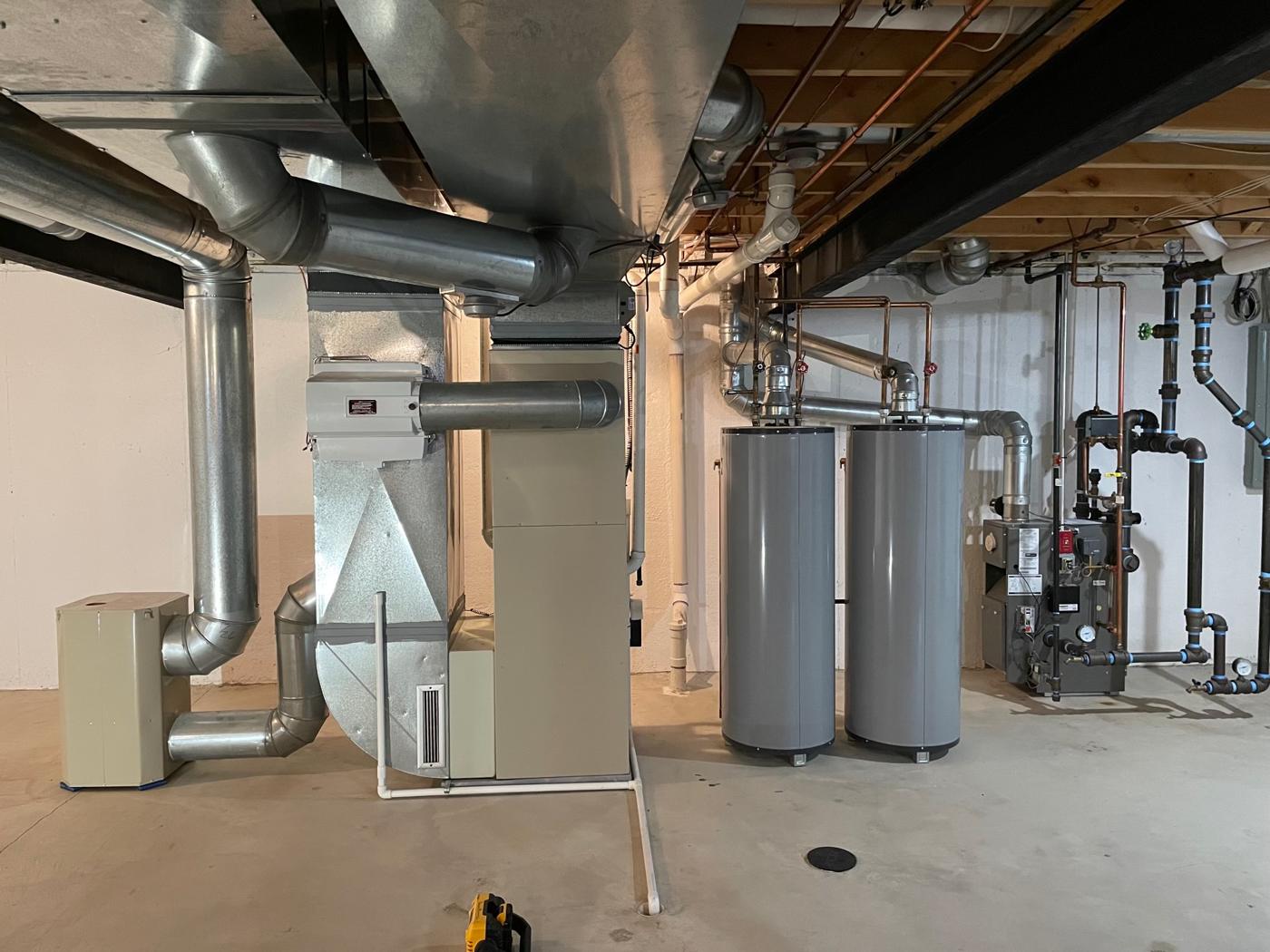
Seasonal maintenance is one of the most common reasons a technician visits a home. But "tune-up" can mean very different things depending on who is doing it. Knowing what a thorough visit generally involves helps you understand the value and ask good questions.
The purpose of maintenance
A maintenance visit has a few goals. It checks that the furnace is operating safely and as designed, catches developing problems before they cause a breakdown, and keeps components clean enough to work properly. It also creates a record of the equipment's condition over time.
That record is easy to overlook, but it matters. When you eventually face a significant repair, knowing how the furnace has been performing helps you make a better repair or replacement decision.
What a thorough visit typically covers
The exact steps depend on the type and age of furnace, but a careful visit usually includes several areas.
Safety checks
- Inspecting the venting for proper connection and condition
- Checking safety controls and switches that shut the furnace down if something is wrong
- Looking for signs of combustion problems
- Checking for gas leaks at connections near the furnace
Combustion and burners
- Inspecting and cleaning burners as needed
- Checking ignition and flame characteristics
- Verifying gas pressure and operation against the manufacturer's specifications
Airflow and blower
- Inspecting the blower and motor
- Checking the filter and discussing replacement
- Assessing whether airflow seems appropriate for the system
Electrical and controls
- Checking electrical connections and components
- Verifying the thermostat is communicating correctly with the furnace
Condensing furnaces
High-efficiency furnaces produce condensate, a water drainage that must flow freely. Checking the drain lines, trap, and related components is an important part of maintaining these systems.
Questions worth asking
At the end of a visit, a good technician should be able to tell you what was checked, what was found, and whether anything is worth watching. Useful questions include:
- Is anything showing wear that we should plan for?
- Did you find anything that affects safety?
- Is the filter I am using right for this system?
- Is there anything I should be noticing between visits?
You should come away understanding the condition of your equipment, not just with a sticker on the furnace.
How to prepare
You can help the visit go smoothly by clearing the area around the furnace, noting any comfort problems or new sounds since last season, and having the model information handy if you know it. Mention rooms that are hard to heat; that may point to airflow issues worth checking.
When to schedule
Many homeowners schedule furnace maintenance in late summer or early fall, before the heating season begins. That timing makes it easier to address anything found before the house depends on the furnace every day.
Maintenance is not a guarantee
Regular maintenance reduces the chance of surprises, but no visit can promise a furnace will never break down. What it can do is give you a clearer picture and fewer unknowns.
Ready for the season
If you would like your furnace checked before the cold weather, send a service request or give us a call and we can talk about scheduling.